What Is a Garage Shed and Do You Actually Need One
 Share to X

 10 min read




Table of Contents
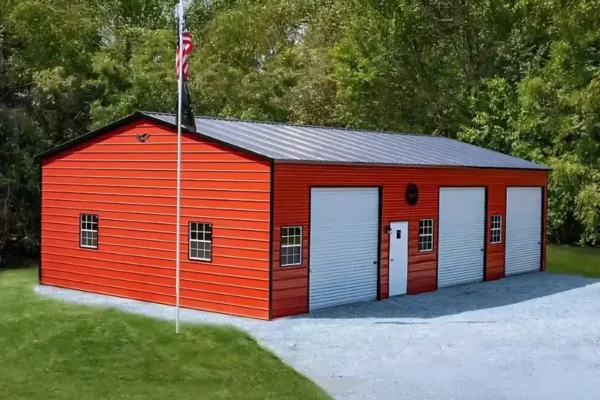
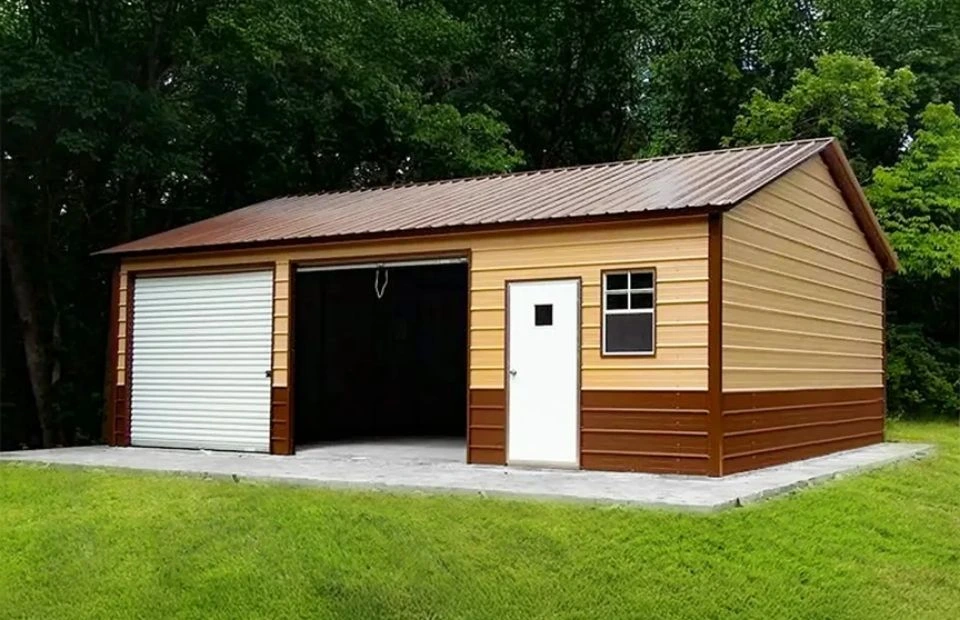
A garage shed is a metal structure that combines vehicle protection with storage space, typically featuring one or more garage doors and enclosed walls. Most folks get confused when they hear “garage shed” because it sounds like it could be either a garage or a shed or some weird combination of both. Let me break this down.
Traditional garages, storage sheds, and garage sheds all serve similar purposes, but they’re built differently and cost wildly different amounts. A traditional stick-built garage might run you $30,000 or more [1]. A basic storage shed costs a few thousand but won’t fit your truck. A garage shed sits in the middle, giving you real vehicle protection without the stick-built price tag.
This article explains what garage sheds actually are, how they differ from regular garages and storage sheds, and whether you need one for your property.
Garage Shed vs Traditional Garage vs Storage Shed
Garage sheds are prefabricated metal structures designed for vehicle storage and workspace, while traditional garages are stick-built structures attached to your home and storage sheds are smaller buildings without vehicle access.
| Structure Type | Construction | Cost Range | Best For |
|---|---|---|---|
| Garage Shed | Prefab metal | $12,299-$32,399 | Vehicle protection + storage |
| Traditional Garage | Stick-built | $30,000+ [1] | Attached to home |
| Storage Shed | Prefab | $2,000-$8,000 | Tools and equipment only |
Traditional garages get built the same way houses do. A contractor frames them up with lumber, adds drywall, insulation, and finishing work. They attach to your house and tie into your electrical system. That convenience costs you weeks of labor and tens of thousands of dollars.
Storage sheds work great for lawn mowers and garden tools. But they can’t handle full-size vehicles. Most have swing doors or sliding doors, not the overhead garage doors you need to drive a vehicle inside.
Garage sheds use prefabricated metal construction. Everything arrives pre-cut and ready to bolt together. The metal panels are galvanized steel, resistant to rust. The frame uses 14-gauge or 12-gauge steel tubing, not the thin stuff from big box stores.
What Makes a Garage Shed Different from Other Metal Buildings
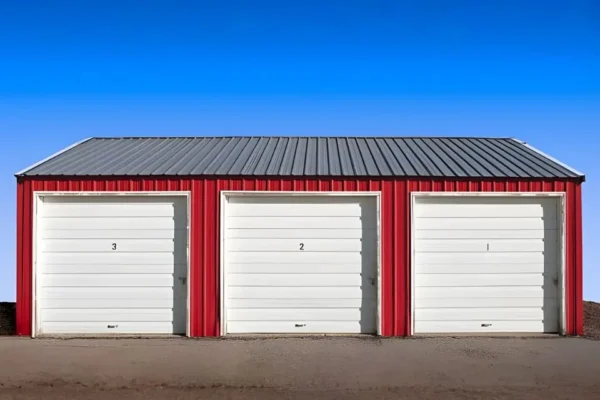
Garage sheds feature large garage door openings, fully enclosed walls, and leg heights designed specifically for vehicle access. These aren’t just open carports. They’re completely enclosed structures that protect your vehicles from weather, theft, and damage.
Garage door openings come in standard sizes that fit real vehicles. Common sizes include 9×7, 9×8, 10×8, and 10×10 feet. You can fit full-size trucks through a 10×8 or 10×10 opening without scraping your mirrors.
Fully enclosed walls mean protection on all sides. Both the sides and ends get closed in with metal panels. You can choose horizontal panels with wainscoting included at no extra cost, or upgrade to vertical panels for added strength.
Leg height needs to be at least one foot taller than your garage door. Most residential garage sheds use 12-foot leg heights, which accommodate 10-foot garage doors with proper clearance. Some folks go with 14-foot heights for extra vertical space.
The most popular residential sizes include 24x30x12, 30x40x12, and 30x50x12. The first number is width, second is length, third is leg height.
Common Uses for Garage Sheds on Residential Property
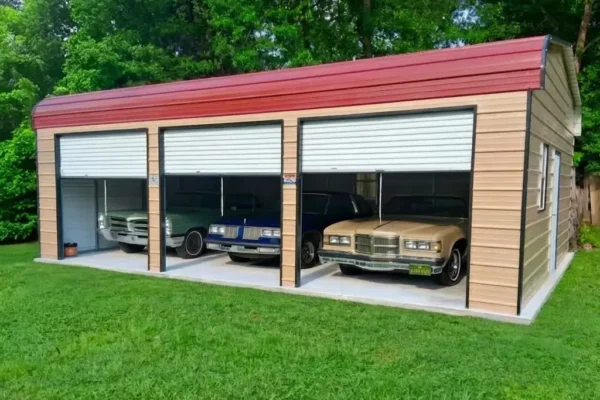
Garage sheds are most commonly used for protecting cars and trucks from weather while providing additional storage or workshop space. Your daily driver vehicles need protection. Sun fades paint and cracks dashboards. Hail dents sheet metal. Snow creates rust problems. A garage shed keeps your truck, car, or SUV out of all that mess.
The combination of vehicle storage plus workspace is where garage sheds really shine. You park vehicles on one side and set up a workbench on the other. Tools stay organized, parts stay dry, and you have room to work without fighting for space.
Seasonal vehicle storage makes sense when you have toys that only come out certain times of year. Park your boat inside during winter. Store your RV when you’re not traveling. Keep your classic car protected year-round.
Tool and equipment protection matters if you have expensive equipment. Welders, compressors, table saws all need to stay dry and secure. A garage shed gives you dedicated space where everything stays protected from theft.
How to Know If You Need a Garage Shed Instead of Something Else
You need a garage shed when you want full vehicle protection with storage space but don’t want to pay traditional garage prices or wait weeks for construction.
If you need complete vehicle protection from weather and theft, choose a garage shed. If you only need sun and rain coverage without full enclosure, choose a carport. If you’re building a new home, consider a traditional garage that ties into your house.
Budget makes or breaks most decisions. A traditional garage built on-site can cost $30,000 or more [1]. The same size metal garage shed runs $12,299 to $22,599 installed for a 24×30. You get vehicle protection either way, but one costs far more.
Timeline matters when you need the space now. Traditional construction takes weeks. Weather delays and contractor scheduling push that longer.
Vehicle size determines whether you need a garage shed or if a carport works. Full-size trucks need enclosed protection. Expensive vehicles need security that open carports can’t provide. Classic cars need complete weather protection.
Garage Shed Sizing Guide for Residential Needs
The most popular residential garage shed size is 30x40x12, providing room for multiple vehicles plus workspace without feeling cramped. Sizing matters more than people realize. Order too small and you’ll regret it every time you open a car door.
The 24x30x12 works as an entry-level two-car garage shed. Two standard cars fit with some storage along the walls. The 30x40x12 is most popular because multiple vehicles fit comfortably with room for workspace. The 30x50x12 handles serious storage needs.
Width requirements depend on what you’re parking. A single pickup needs at least 14 feet of width. Two full-size vehicles need 22-24 feet minimum.
| What You’re Storing | Recommended Size | Why |
|---|---|---|
| Two cars + storage | 24x30x12 | Room to open doors, future garage door option |
| Two trucks + workspace | 30x40x12 | Comfortable movement, dedicated workspace |
| Multiple vehicles + workshop | 30x50x12 | Serious square footage |
Leg height affects whether you can add garage doors. The 12-foot height accommodates 10-foot garage doors with proper clearance. The 14-foot height gives extra vertical space for tall vehicles or overhead storage.
What Garage Sheds Cost and Why Prices Vary
Garage shed prices in 2026 run from $12,299 for a basic 24x30x9 structure to $32,399 for a 30x50x12 garage with premium features, delivery and installation included.
Width is the biggest pricing factor. Every two feet of width adds material and engineering requirements. The jump from 24 feet to 26 feet adds significant cost because you move to different truss construction.
| Size | Price Range | Why This Size |
|---|---|---|
| 24x30x9 | $12,299-$17,099 | Entry-level two-car |
| 24x30x12 | $15,999-$22,599 | Garage door capability |
| 30x40x12 | $24,199-$29,299 | Most popular size |
| 30x50x12 | $25,599-$32,399 | Serious workspace |
Gauge upgrades affect pricing. The 14-gauge framing works fine for most applications. Upgrading to 12-gauge adds cost but gives you stronger structure for heavy snow loads.
Roof style pricing varies. Regular roof is most economical. Vertical roof costs the most but sheds water and snow better. Sheet metal thickness matters too. Standard 29-gauge works fine. Upgrading to 26-gauge adds durability.
Customization costs add up. Each roll-up garage door costs several hundred dollars. Walk-in doors, windows, and vertical wall panels all increase the base price.
Comparing Garage Sheds to Traditional Garages
Garage sheds cost significantly less than traditional garages while providing similar vehicle protection and installing in a fraction of the time.
Traditional garages built on-site typically cost $30,000 or more [1]. The same footprint in a metal garage shed costs $12,299 to $22,599 installed for a 24×30. Both protect your vehicles. Both give you enclosed storage. Both last for decades when properly maintained.
Construction time separates these options. Traditional garages take weeks to build. You’re dealing with multiple contractors on different schedules. Weather delays are common.
Storage sheds serve a different purpose. They work great for lawn equipment and tools. But they can’t accommodate full-size vehicles. You can’t drive your F-150 into a storage shed and expect to fit comfortably.
What Red Flags Should You Watch for When Buying a Garage Shed?
The biggest red flag is vague or missing gauge specifications. When a seller says “heavy-duty steel frame” without specifying 14-gauge or 12-gauge, they’re hiding something. Ask directly for the gauge number and tubing dimensions.
Standard buildings use 29 gauge panels over 14 gauge framing. The upgrades are 26 gauge panels and 12 gauge framing. All American steel.
No engineering certification means the structure might not meet local building codes. Ask for the engineer-stamped drawings in writing before you pay.
Companies willing to install on any surface without checking for level are setting you up for problems. A garage shed installed on unlevel ground will lean and experience uneven stress.
Prices significantly below market rates usually mean shortcuts on materials or installation. Hidden fees revealed after deposit include charges for items that should be standard. Get everything in writing before you pay.
Every price includes the building, delivery and installation. Some sites also need a lift rental, anchors when the building is not on concrete, site-specific engineered drawings, or extra labor for an uneven site.
What to Expect When Buying a Garage Shed
Your building specialist will walk you through scheduling for your order.
Before installation day, your site needs to be completely level. Level means actually level, not just flat. Your garage shed needs a truly level surface verified with a level tool or string lines. Most install on concrete slabs, so you need a slab that matches your garage dimensions exactly.
The installation crew brings everything needed. All steel components arrive pre-cut and ready to bolt together. The structure gets both bolted and welded for strength.
Anchoring depends on your surface. Concrete uses wedge anchors. Dirt and gravel use rebar and mobile home anchors. Asphalt uses asphalt anchors.
Every Metal America order includes generic drawings stamped by an engineer licensed in your state, with concrete slab foundation specs. These plans show the structure meets wind and snow load requirements for your area. A professional engineer has certified the building can handle the weather where you live.
What you need to provide includes visual proof your site is level, confirmed measurements if installing on a slab, clear access for the crew, and marked underground utilities. If these aren’t ready, the crew leaves and you pay a return trip fee.
Frequently Asked Questions About Garage Sheds
Q: What is a garage shed used for?
A: Garage sheds are used primarily for vehicle protection combined with storage or workspace on residential properties. They provide complete weather protection, security from theft, and flexible space for tools, equipment, or projects.
Q: How is a garage shed different from a regular garage?
A: Garage sheds use prefabricated metal construction, while regular garages are stick-built structures that take weeks to construct. Both provide vehicle protection, but garage sheds cost significantly less and install much faster.
Q: How much does a garage shed cost?
A: Garage sheds cost $12,299 to $32,399 installed in 2026 depending on size and features. The 24x30x12 runs $15,999-$22,599 and the 30x40x12 runs $24,199-$29,299.
Q: What size garage shed do I need for two vehicles?
A: For two vehicles, you need at least 22-24 feet of width. The 24x30x12 size works well for two cars with basic storage. The 30x40x12 provides comfortable room for two trucks plus workspace.
Making the Right Choice for Your Property
Garage sheds make sense when you need real vehicle protection without traditional garage prices or construction timelines. The prefabricated metal construction means you get a properly engineered structure.
The key decision factors come down to budget, timeline, and what you’re protecting. If you have $12,000 to $23,000 to spend and need vehicle protection, a garage shed is your best option.
Most homeowners choose garage sheds because they offer the best combination of protection, price, and practicality. You get enclosed walls, proper garage doors, enough space to actually use the structure, and professional engineering. All without breaking the bank.
When you’re ready to explore what sizes and features work for your property, take a look at the metal garages we have available for sale. You’ll find detailed specifications, pricing for your area, and options to customize everything from garage doors to roof styles.
References
[1] HomeGuide. “How Much Does It Cost to Build a Garage? (2026).” https://homeguide.com/costs/cost-to-build-a-garage