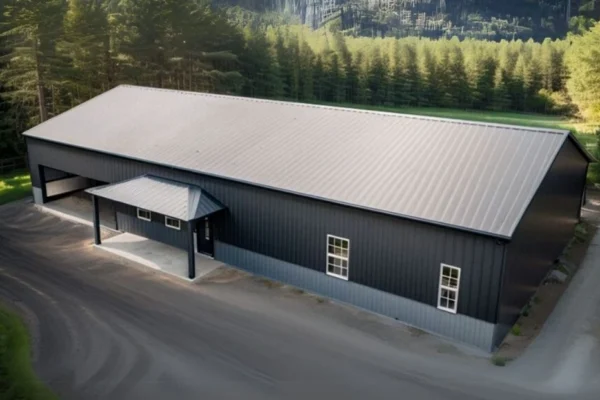
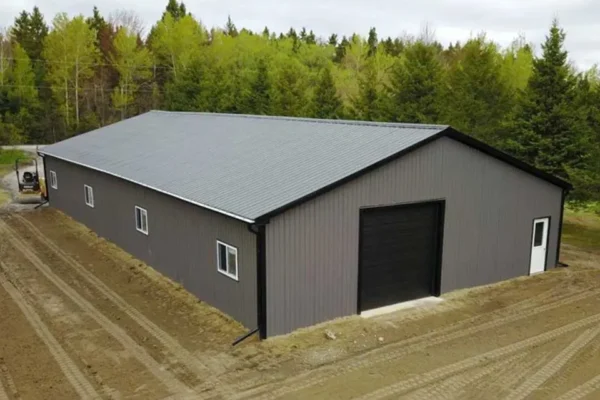
Hobby Shop Buildings for Man Caves and Personal Workspace
 Share to X

 15 min read




Table of Contents
You have earned this. After years of projects taking over the garage, tools scattered across the driveway, and constant negotiations about when you will clean up your mess, hobby shop buildings give you the personal retreat you deserve. A dedicated space separate from the house where you can work on projects, display your collection, and hang out with friends without anyone telling you to move your stuff.
Hobby shop buildings serve as dedicated workspace for vehicle restoration, woodworking projects, collection displays, and personal retreats, typically ranging from 24×30 to 40×60 feet with workspace and optional entertainment areas. They solve the problem of shared spaces and spouse negotiations about garage usage. Your own building means your own rules.
These structures go beyond basic storage. Hobby shop buildings function as combination workshop and man cave where you can run equipment during the day and entertain friends at night without disrupting the household. The best hobby shop buildings include proper workspace for active projects plus comfortable areas for enjoying your accomplishments.
Creating Your Personal Workspace Retreat
Hobby shop buildings provide dedicated personal space away from the house where you can work on projects, display collections, and create without interruption or pressure to constantly clean up for family activities. The separate structure means no more clearing the workbench for family parking. No more arguments about oil stains on the driveway. No more storing half-finished projects in the corner because someone needs the space.
Your space operates on your rules. Leave projects set up as long as you need. Display whatever you want on the walls. Play music as loud as you want. Invite friends over without coordinating house schedules. This investment pays dividends in peace of mind and actually finishing projects instead of constantly packing them away.
The separate structure keeps messy work away from living areas while maintaining easy access from your property. Walk out your back door and you are in your domain within seconds. The proximity matters when you want to spend an hour working on something without the hassle of driving somewhere. Hobby shop buildings create that perfect balance between separation and convenience.
Multi-purpose potential makes hobby shop buildings worth the investment. Start with vehicle restoration space and add entertainment areas later. Begin as pure workshop and evolve into combination workspace and hangout spot. The flexible nature of these structures adapts as your interests and needs change over time. You might focus entirely on woodworking for five years and then shift to classic car projects. The same hobby shop building handles both.
Popular Hobby Shop Building Uses
Popular hobby shop uses include classic car restoration, woodworking projects, sports memorabilia display, home brewing operations, gaming and entertainment areas, and combination workshop-hangout spaces. The lifestyle applications matter just as much as the utilitarian workshop functions. Hobby shop buildings support your passions rather than just storing stuff.
Vehicle restoration and detailing work requires dedicated space with proper lighting, ventilation, and room to move around the project. Hobby shop buildings give you the clearance to lift vehicles, the electrical capacity for welders and compressors, and the floor space to tear down an engine without cramping other activities. Park the project inside and work on it whenever the mood strikes without moving anything.
Woodworking and building projects demand permanent tool setups with dust collection systems, proper workbenches, and material storage. Hobby shop buildings let you install table saws, planers, and jointers in permanent locations instead of dragging equipment in and out of a shared garage. The dedicated space means you can leave jigs and fixtures set up between projects instead of tearing everything down constantly.
Collection display areas for sports memorabilia, vintage signs, hunting trophies, or automotive parts transform hobby shop buildings into personal museums. Proper wall space and lighting let you show off your achievements and purchases. Friends actually appreciate seeing your collection when it is properly displayed rather than stacked in boxes. Hobby shop buildings give you the square footage to do collections justice.
Entertainment and game rooms within hobby shop buildings create the classic man cave setup. Add a bar area, install a TV and sound system, set up pool tables or dart boards, and you have the perfect spot for watching games with friends. The separate structure means sports parties do not disrupt the household. Yell at the TV all you want.
Home brewing and meat smoking operations benefit from the dedicated utilities and ventilation in hobby shop buildings. Run water lines for cleaning equipment. Install proper ventilation for smoke and fumes. Store supplies and finished products in climate-controlled space. The hobby shop building becomes the production facility for your craft beer or championship barbecue.
Band practice spaces need sound isolation and room for equipment setups. Hobby shop buildings located away from the house let you practice without bothering anyone. The high ceilings and open space work great for acoustics. Leave equipment set up permanently instead of constant tear-down and setup before each practice session.
Ideal Sizes for Hobby Shop Buildings
Most hobby shop buildings range from 24×30 feet for single-purpose spaces to 40×60 feet for multi-function man caves, with 30×40 providing the sweet spot for vehicle projects plus hangout area or serious workshop plus display space. Size matters more than first-time builders realize. You think 24×30 sounds huge until you park one vehicle inside and discover you have almost no working room around it.
The following table shows what different hobby shop building sizes realistically accommodate. These measurements assume you want actual workspace, not just vehicle storage with no room to move.
| Size | Square Footage | Best For | Vehicle Capacity | Workspace |
|---|---|---|---|---|
| 24×30 | 720 sq ft | Single hobby focus | 1-2 vehicles | Limited working room |
| 30×40 | 1,200 sq ft | Serious hobby plus storage | 2-3 vehicles | Good working space around projects |
| 40×40 | 1,600 sq ft | Multi-use workshop and man cave | 3-4 vehicles | Separate work and hang out zones |
| 40×60 | 2,400 sq ft | Complete workshop and entertainment | 4-5 vehicles | Multiple dedicated areas |
Single-purpose hobby shop buildings work fine at 24×30 if you truly focus on one activity. A dedicated woodshop or single vehicle restoration project fits comfortably in this footprint. But most folks discover they want to combine activities or add entertainment space later. Starting larger saves the hassle and expense of expanding.
The 30×40 size hits the sweet spot for many hobby enthusiasts. Park two vehicles for current projects and still maintain comfortable workspace around them. Add a small seating area without cramping the work zones. Store tools and materials properly organized instead of stacked wherever they fit. This size prevents the constant frustration of not quite having enough room.
Ceiling height in hobby shop buildings matters as much as floor space. Standard 12-foot clearance works fine for regular vehicles and most equipment. But lifted trucks, RVs, or overhead storage lifts need 14 to 16 feet minimum. Pay extra for taller walls during initial construction rather than wishing you had more headroom every time you work on something tall.
Designing Your Man Cave Layout
Effective hobby shop layouts separate messy project work from clean display or entertainment areas, position frequently used tools within easy reach, and create distinct zones that can function independently or together. The layout planning determines whether your hobby shop building feels spacious and functional or cramped and frustrating. Think through actual workflow before you start building.
Work zones handle the dirty operations like grinding, welding, painting, or sawdust-generating woodworking. Locate these areas away from entertainment spaces so you can have friends over without dust covering everything. The work zone needs proper lighting, ventilation, and access to large doors for moving materials and projects in and out. Concrete floors in work zones make cleanup easier and handle chemical spills better than finished flooring.
Hangout zones create comfortable space for enjoying your hobby shop building when not actively working. Add a small bar, install comfortable seating, mount a TV on the wall, and you have the perfect spot for decompressing after projects or entertaining friends during games. Separate the hangout zone from active work areas so you can relax without sitting in sawdust or breathing welding fumes.
Display area placement shows off your best work, collection items, or memorabilia without interfering with active projects. Mount shelves or cases along walls in the hangout zone. Proper lighting makes displays pop. The separation between display areas and work zones prevents your prized possessions from getting damaged during active projects. Hobby shop buildings give you enough space to properly showcase achievements.
Entry and flow patterns determine how easily you move through your hobby shop building. Position walk-in doors near parking areas so you can access the building without opening large overhead doors every time. Locate overhead doors where they provide good access to work areas without wasting valuable wall space that could hold storage or displays. Think through how you will move large items like vehicles, lumber, or equipment through the space.
Multi-zone planning in hobby shop buildings lets you use different areas for different activities without constant reorganization. Dedicate one bay to vehicle work and another to woodworking. Keep entertainment areas separate from messy operations. The zoned approach means you can have a project torn apart in the work zone while friends hang out in the clean entertainment zone. Proper planning during the design phase creates hobby shop buildings that actually work for real life.
Man Cave Interior Finishing and Amenities
Finishing hobby shop building interiors with insulation, drywall or panels, proper flooring, and climate control transforms raw metal structure into comfortable year-round space suitable for extended projects and entertaining. The basic metal shell provides the bones. Interior finishing makes the space actually enjoyable to use. Cheap out on finishing and you will regret it every time you work in blazing heat or freezing cold.
Insulation packages make the biggest difference in hobby shop building comfort and usability. Uninsulated metal buildings turn into ovens in summer and iceboxes in winter. Condensation forms on cold metal surfaces and rusts your tools. Proper insulation eliminates temperature extremes and prevents moisture damage. The upfront cost pays back through lower utility bills and protected equipment [1]. Adding appropriate insulation based on factors such as climate, size, and condition can save homeowners an average of 15% on electricity bills [2]. Most hobby shop buildings benefit from R-10 to R-19 insulation depending on climate and planned use [1].
Wall covering options range from leaving insulation exposed to installing drywall or metal panels for finished appearance. Exposed insulation works fine for pure workshop applications. Drywall or panels make sense if you want a more refined man cave atmosphere for entertaining. The wall finish affects both appearance and durability. Consider how you will actually use your hobby shop building before deciding on finish level.
Flooring choices matter for both function and comfort. Sealed concrete works great in work zones where you need chemical resistance and easy cleanup. Add epoxy coating for better appearance and durability. Finished flooring like luxury vinyl plank or rubber tiles makes hangout zones more comfortable for extended standing or sitting. Hobby shop buildings often use different flooring in different zones based on the activity in each area.
Climate control systems turn hobby shop buildings into year-round usable space. Mini-split HVAC systems work great because you can zone different areas and only condition the space you are actively using. For a 2,400 square foot hobby shop building around 40×60, you typically need 18,000 to 24,000 BTU capacity depending on insulation and climate [3]. Properly insulated hobby shop buildings need similar heating and cooling capacity to a comparably sized house. Budget for real climate control if you want to use your space comfortably in all seasons.
Popular amenities transform hobby shop buildings from basic workshops into real man caves. Bathroom facilities save trips back to the house during long project sessions. Small sink stations handle tool cleaning and hand washing. Mini-fridges and microwaves support all-day work sessions. Full bar setups create entertaining spaces. Entertainment systems with quality sound make the space actually fun to hang out in. Plan amenities during initial construction because adding plumbing and electrical later costs significantly more than roughing it in from the start.
Permits and Practical Considerations
Hobby shop buildings typically require standard residential building permits, with additional permits needed for electrical, plumbing, or activities that generate noise, light, or traffic concerns for neighbors. Most jurisdictions require permits for structures over 200 square feet [4]. Building departments treat hobby shop buildings similar to large garages or workshops. Call your local building department before ordering to verify specific requirements and setback restrictions in your area.
Be considerate with noise from tools, friends visiting, and late-night project work. Power tools screaming at midnight annoy neighbors quickly. Bright lights pointing toward adjacent properties cause complaints. Multiple vehicles coming and going for game nights create traffic and parking issues. Talk to neighbors early about your plans. Address concerns proactively before they become problems. Most people appreciate the courtesy of a heads-up rather than discovering a major construction project underway next door.
HOA restrictions kill more hobby shop building projects than any other single factor. Some homeowner associations ban outbuildings completely. Others allow hobby shop buildings but restrict sizes, colors, locations, or architectural styles. Read your HOA covenants thoroughly before getting excited about a project that might not be allowed. Submit architectural approval requests early in the planning process to avoid disappointment after you have invested time and mental energy into the dream.
Metal America provides engineered drawings and certifications required by most building departments. These documents show your hobby shop building meets local wind loads, snow loads, and structural requirements. Most jurisdictions accept manufacturer engineering without requiring additional calculations. The engineering documentation makes permit approval straightforward in areas that require it. Visit our shop buildings page for standard configurations and general investment ranges.
Frequently Asked Questions
Q: What is a hobby shop building?
A: A hobby shop building is a dedicated personal workspace separate from the house, used for DIY projects, vehicle restoration, collections, and man cave activities, typically ranging from 24×30 to 40×60 feet with workspace, storage, and optional entertainment areas.
Q: How much does it cost to build a man cave hobby shop?
A: Hobby shop buildings range from basic metal shells around $15,000 for smaller sizes to fully finished man caves reaching $35,000 to $50,000 depending on size, finish level, and amenities like plumbing, HVAC, and entertainment systems. Check standard shop building configurations for baseline investment ranges before adding custom features.
Q: Can I add a bathroom to my hobby shop building?
A: Yes, bathrooms can be added to hobby shop buildings by running plumbing from the main house or installing septic connections, typically costing $3,000 to $8,000 depending on distance from existing utilities and local code requirements for fixtures and ventilation.
Q: Do I need permits for a hobby shop building?
A: Most areas require residential building permits for hobby shop buildings over 200 square feet [4], with additional permits needed for electrical and plumbing work. Check local setback requirements and HOA restrictions before ordering.
Q: What size hobby shop building do I need?
A: A 30×40 hobby shop building provides the sweet spot for most enthusiasts, accommodating 2-3 vehicles with comfortable workspace, while 40×60 allows multiple dedicated zones for work, storage, and entertainment areas.
Q: Can I use my hobby shop building year-round?
A: Yes, hobby shop buildings with proper insulation and climate control systems function comfortably year-round in all climates, though uninsulated structures work only in mild weather conditions.
Build Your Personal Retreat
Hobby shop buildings create the dedicated personal space you have earned after years of shared garage compromises and interrupted projects. The separate structure lets you work on your passions, display your achievements, and entertain friends without house conflicts. You finally get your own domain with your own rules.
Metal America understands the value of having your own space. Tell us what you want to do in your hobby shop building and we will show you the size and features that make it happen. Our shop buildings guide covers the full range of options and configurations for workspace structures. For general hobby applications before committing to the full man cave setup, review our guide to metal hobby buildings covering versatile workshop and storage solutions.
The time to build your retreat is now. Stop negotiating for garage space and start enjoying your own dedicated hobby shop building.
References
[1] Insulation – U.S. Department of Energy. https://www.energy.gov/energysaver/insulation
[2] Energy Savings by Insulation – Arizona State University Energy Efficiency Center. https://eec.asu.edu/2023/07/11/energy-savings-by-insulation/
[3] What Size of Mini Split is Right for Your Garage – Della Home. https://dellahome.com/blogs/della-blog/what-size-of-mini-split-right-for-garage
[4] Residential Building Permit Requirements – City of North Bend. https://www.northbendoregon.gov/21102/residential-building-permit-requirements